

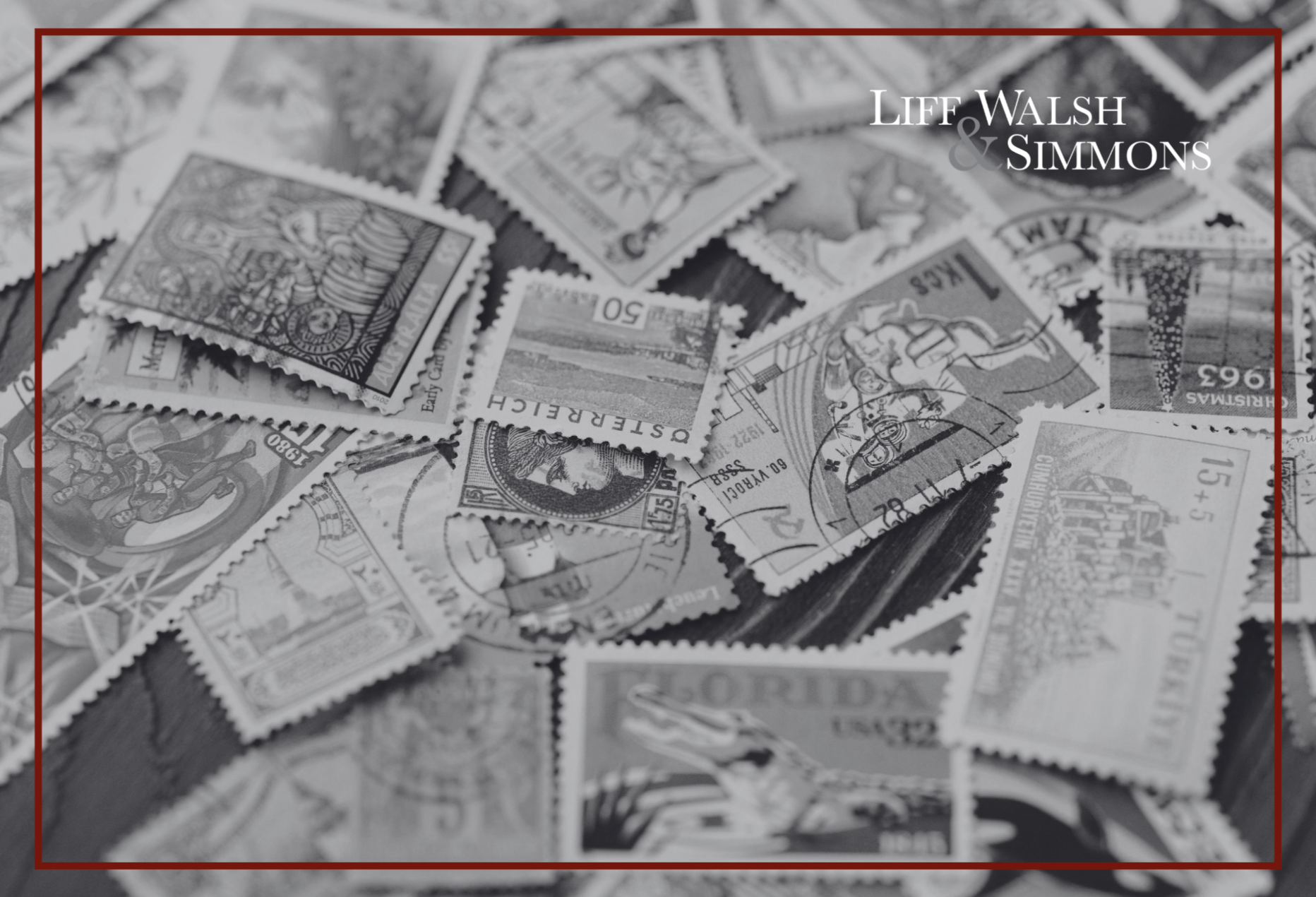
“I own extremely rare and valuable collectibles, but my family is unaware of the worth and extent of what I own. Do I have an estate planning problem?”
Yes, owning extremely rare and valuable collectibles while keeping your family largely unaware of their worth and extent can create significant estate planning problems. This scenario plays out more often than one might think, and can lead to unintended financial losses, family conflicts, tax complications, and even the dissipation of wealth that may have been built over decades.
Whether it involves rare coins, vintage comics, fine art, antique firearms, sports memorabilia, rare books, or high-end watches, many collectors passionately pursue their interests without fully integrating these assets into their broader estate planning strategy. The passion is personal, and the details often remain private. As such, when the collector dies, his or her lack of transparency with family members can turn a hidden treasure into a hidden burden.
The Core Problems When Families Remain Unaware
- Undervaluation or Outright Loss: Family members who do not know the collection exists, or who underestimate its value, may overlook items entirely. In cluttered homes or storage units, rare pieces can be mistaken for ordinary “junk” and be discarded, donated, or sold at garage-sale prices. Even if discovered, an uninformed family member might liquidate everything quickly through an inexperienced auction house or online marketplace, accepting far below market value. As such, professional appraisers specializing in the niche are essential for accurate fair market valuation, but without guidance, families rarely seek them out.
- Tax Complications: Tax reporting requirements are often overlooked. Estates containing valuable collectibles are subject to specific tax rules that differ significantly from general estate property valuation requirements. Under federal law, articles having marked artistic or intrinsic value exceeding $3,000 in total value require expert appraisals under oath, detailed documentation standards, and compliance with specialized Treasury regulations.
- Family Dynamics: Unequal knowledge among family members may very well breed resentment. One sibling might quietly sell items for personal gain, while others feel shortchanged. If the collection is intended for one passionate heir but others are unaware, disputes arise over “fairness.” Even well-meaning families can argue over sentimental vs. monetary value, leading to costly litigation that depletes the estate.
- Practical Burdens: Maintaining, insuring, and storing rare collectibles requires specialized knowledge and ongoing costs (e.g., climate-controlled storage, security, insurance riders, etc.). Family members uninterested or unprepared may face overwhelming logistics, especially if the collection is large or fragile. Some may even reject the inheritance outright, forcing a forced sale under unfavorable conditions.
Practical Steps to Avoid These Pitfalls
The good news is that these issues are preventable with proactive planning. For instance:
- Consider Pre-Death Appraisals: In many cases, it’s helpful to obtain valuations from qualified appraisers before you die, along with periodic updates as markets fluctuate. This creates a record for your family and provides tax substantiation.
- Catalogue your Collection: Collectors are strongly encouraged to document everything thoroughly by creating an inventory with descriptions, photos, acquisition dates/costs, current appraised values, and storage locations. Include authentication certificates, provenance records, and any relevant appraisals. Your catalogue should be stored both digitally and physically.
- Create a Post-Death Plan: It’s critical for all collectors to consider what should happen to these items post-death as well as plan for how it will happen.
- Consider specific bequests written within your Last Will and Testament or Revocable Trust for directing key pieces to passionate family members or friends.
- Consider the use of a personal property memorandum that can be attached to your Last Will and Testament or Revocable Trust, specifying the individuals that you wish to receive certain items. This approach offers flexibility since the memorandum can be rewritten at any time without having make formal updates to your Last Will and Testament or Revocable Trust.
- If no family member shares your interest, explore charitable donations or arrangements with museums/specialized dealers.
- Consider using a Revocable Trust to hold collectibles. Doing so will avoid many of the delays associated with probate and will add a layer of privacy.
- Communicate with Family Members: You do not need to reveal every detail, but discuss the existence, approximate scale, and importance of the collection. Share the inventory location and your wishes. This reduces surprises and allows family members to ask questions or express disinterest early.
- Select Competent Fiduciaries: Name a personal representative and/or trustee who appreciates the value, nature, and extent of your collection. If that’s not possible, be sure to empower your personal representative and/or trustee to hire experts immediately following your death.
Final Thoughts
Estate planning is not only about taxes. It is about transfer efficiency, family harmony, and preservation of value. If a significant portion of your wealth is tied up in assets that your family does not understand, cannot locate, or cannot value, then yes, you have an estate planning problem.
The solution is not complicated. It requires organization, documentation, and intentional direction. Collectors spend years building something rare and meaningful. A thoughtful estate plan ensures that what you built is protected, respected, and transferred according to your wishes rather than diminished by confusion.
If your family would be surprised by the extent or value of what you own, it is time to bring your collectibles into the estate planning conversation. Schedule a consultation with an attorney on the Estates team at Liff, Walsh & Simmons to explore personalized solutions and take control of your estate plan.
Greg Ferra of Liff, Walsh & Simmons is the lead of the Estates and Administration Practice. Greg also serves as counsel for the firm’s affiliated title company, Eagle Title, LLC, advising the company in real property transactions that involve trusts and probate estates.
At Liff, Walsh & Simmons, our Estate Planning and Administration practice area helps individuals and families protect their legacies and plan for the future. We provide personalized guidance in wills, trusts, powers of attorney, and comprehensive estate plans tailored to each client’s unique circumstances. Our attorneys are committed to making the estate planning process clear, manageable, and aligned with your goals, providing peace of mind and security for you and your loved ones. Please contact Liff, Walsh & Simmons at 410-266-9500 to schedule a consultation.